The New Face of Obesity: Why Risk Is Rising in People Who Don’t “Look” Overweight

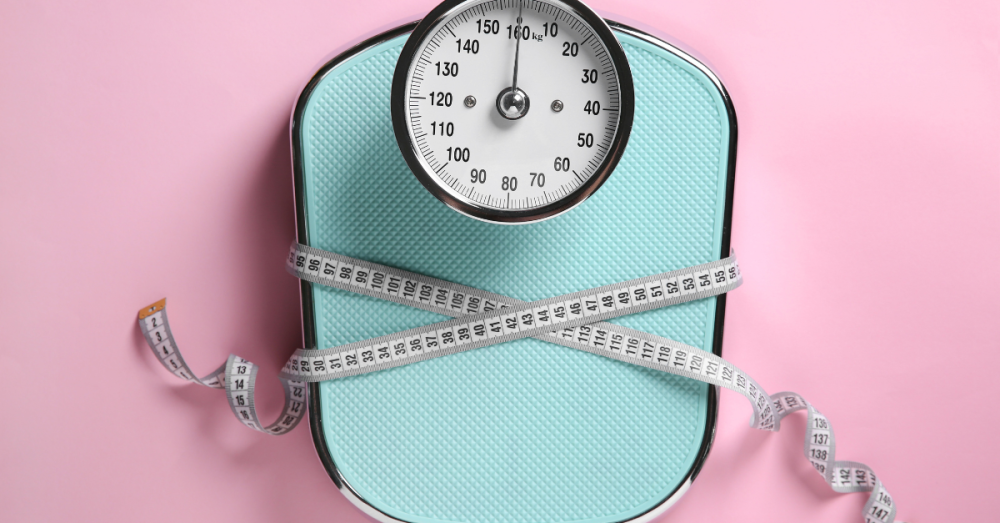
Let's say it out loud: BMI is a trash metric.
It’s outdated, reductive, and—according to the American Medical Association—built on racial and gender exclusions that were never intended to reflect metabolic health. Yet it remains the default clinical gatekeeper for obesity diagnosis, drug eligibility, and risk stratification.
BMI’s biggest failure isn’t just social—it’s scientific. It doesn’t distinguish between fat and muscle, or capture where fat is stored. That means a lean athlete and someone with high visceral fat can share a BMI, while facing wildly different health risks.
“BMI does not distinguish between weight from fat and weight from lean muscle. As a result, people with high muscle mass may be misclassified as overweight or obese, while those with high body fat but low muscle mass may appear ‘healthy.’”
— Centers for Disease Control and Prevention (CDC), “About Adult BMI”
The bottom line? It’s letting high-risk patients slip through the cracks—especially those who don’t “look” the part.
Beyond the Scale: The Metabolic Middle Ground
Obesity isn’t always visible. Visceral fat—the dangerous kind that wraps around organs and fuels chronic inflammation—can accumulate in people with so-called “normal” BMIs. This silent, internal threat is associated with insulin resistance, cardiovascular disease, and metabolic dysfunction even in people society might call “healthy.”
In a global sample of 3,100 physicians treating obesity—drawn from our proprietary Mindset Engine, a first-of-its-kind behavioral intelligence platform designed to uncover how doctors make decisions—72% said they believe precision medicine can broadly improve patient outcomes—indicating openness to more nuanced risk assessment tools beyond BMI.
This is particularly common in BIPOC and Asian populations, where fat distribution and risk patterns often deviate from Eurocentric baselines. That means a BMI of 24 isn’t just “normal”—it could be misleading. Critically so.
When Numbers Lie, People Pay the Price
The consequences of clinging to BMI as the primary risk screen are real:
•Missed diagnoses of metabolic syndrome
•Delayed access to medications or interventions
•Undetected insulin resistance, quietly progressing toward type 2 diabetes
•Increased allostatic load—especially in groups already disproportionately burdened by healthcare inequities
“I always got gold stars for my weight during checkups. No one mentioned I had fatty liver disease until it was advanced.” — Facebook post, age 43, BMI 22
In clinical terms, this isn’t just oversight. It’s harm.
A New Language for a New Risk Reality
If predictive storytelling has taught us anything, it’s this: people don’t see themselves in metrics that weren’t made for them. And when the numbers don’t reflect lived experience, people stop listening.
So, what now?
We need new tools—and new cues:
•Visuals that show what inflammation looks like, not just what fat looks like
•Language that shifts the conversation from body size to body systems
•Signals from data that help flag dysfunction earlier—even before weight changes appear
HCPs in our Mindset Engine obesity cohort were overwhelmingly maximizers (89%) and promoters (65%)—meaning they are highly motivated to act when presented with early signals and clear upside, especially in patient quality of life.
Importantly, these cues must connect. Patients aren’t looking for another number—they’re looking for clarity. If we want behavior change, we need risk communication that resonates.
The Metric Is Dead. Long Live the Whole Picture.
The AMA has officially de-emphasized BMI. The science is catching up. But clinical culture hasn’t yet followed.
This is a call for marketers, med affairs, and frontline providers alike to retire the reflexive reliance on an easy number—and start building comms and care models around what actually matters: visceral fat, inflammation, insulin resistance, and the underlying metabolic chaos that doesn't always show up on the scale.
Because if we only treat the bodies we see, we’ll miss the millions quietly getting sicker.